

Artificial intelligence (AI) is revolutionising the search for archaeological sites, and nowhere is this clearer than in South America. As with all AI use—at least for now—human experts are still needed, but AI can analyse vast quantities of data much much more quickly.
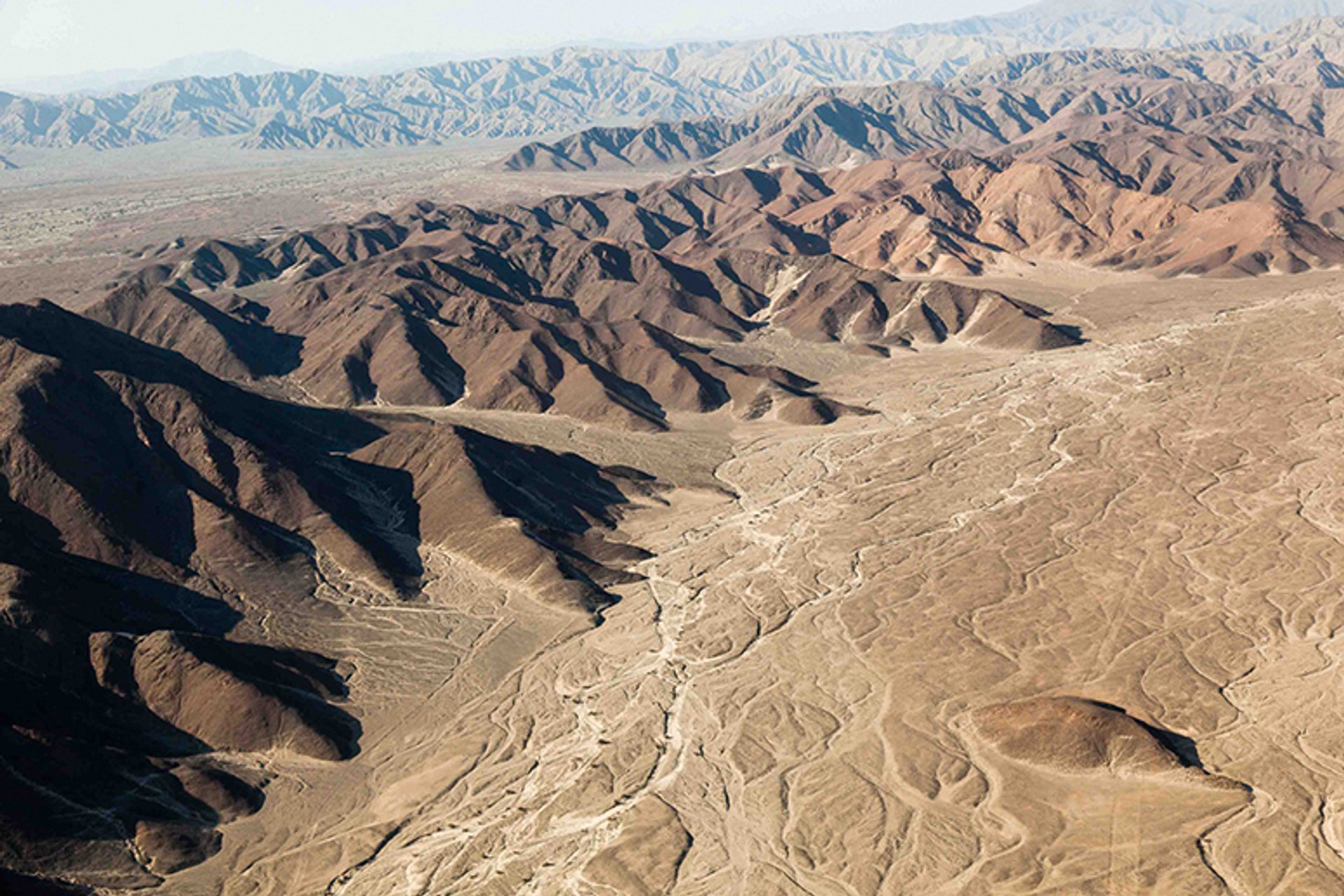
The web application known as GeoPACHA (the Geospatial Platform for Andean Culture, History and Archaeology) illustrates the benefits of AI. Researchers loaded the app with high-resolution satellite and aerial imagery of the Andes. During its early phase, from 2020 to 2021, teams manually scoured these images, covering an area 180,000 sq. km in size, to record any “loci”—discrete archaeological remains—that they could spot.
But now, the project is using AI trained on a large sample of satellite imagery to help archaeologists discover the lost heritage of the Andes. Steven Wernke, the director of the Vanderbilt Institute for Spatial Research at Vanderbilt University in the US and a member of the team that developed the project, compares its foundation model to that of a large language model derived from a vast sample of text from across the internet.
“Our foundation model, which we call DeepAndes, is a latent ‘expert’ of the land forms and land cover of the Andean world,” he says. “With fine-tuning from human-labelled archaeological sites, it can then become expert at identifying them in the imagery.”
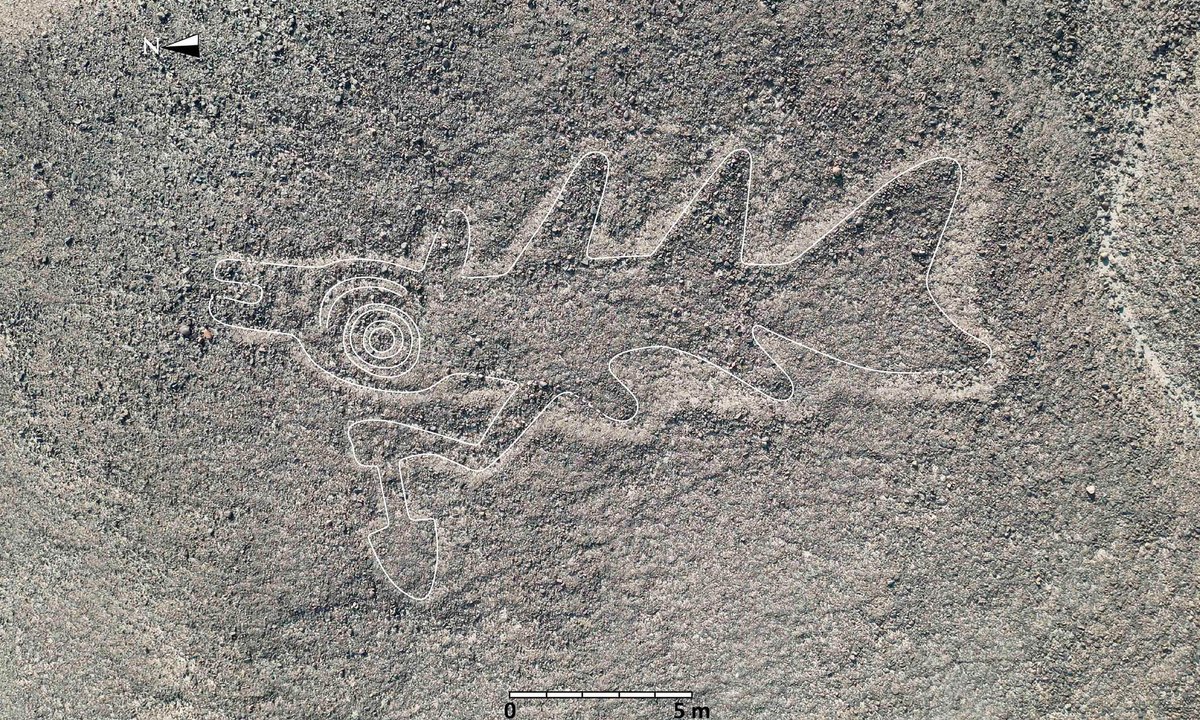
AI analysis assisted in identifying 303 previously unknown geoglyphs in the Nazca Desert ecuadorquerido
With encouraging results, the team is already pushing this technology further. They have developed DeepAndes, using the earlier human-labelled data and additional training data, to create the more advanced model, DeepAndesArch. “GeoPACHA is now deploying our DeepAndesArch AI model and in less than 5% of the total area the project will cover, it has already detected in excess of 1 million archaeological loci,” Wernke says.
Chatting with a 12th-century peasant
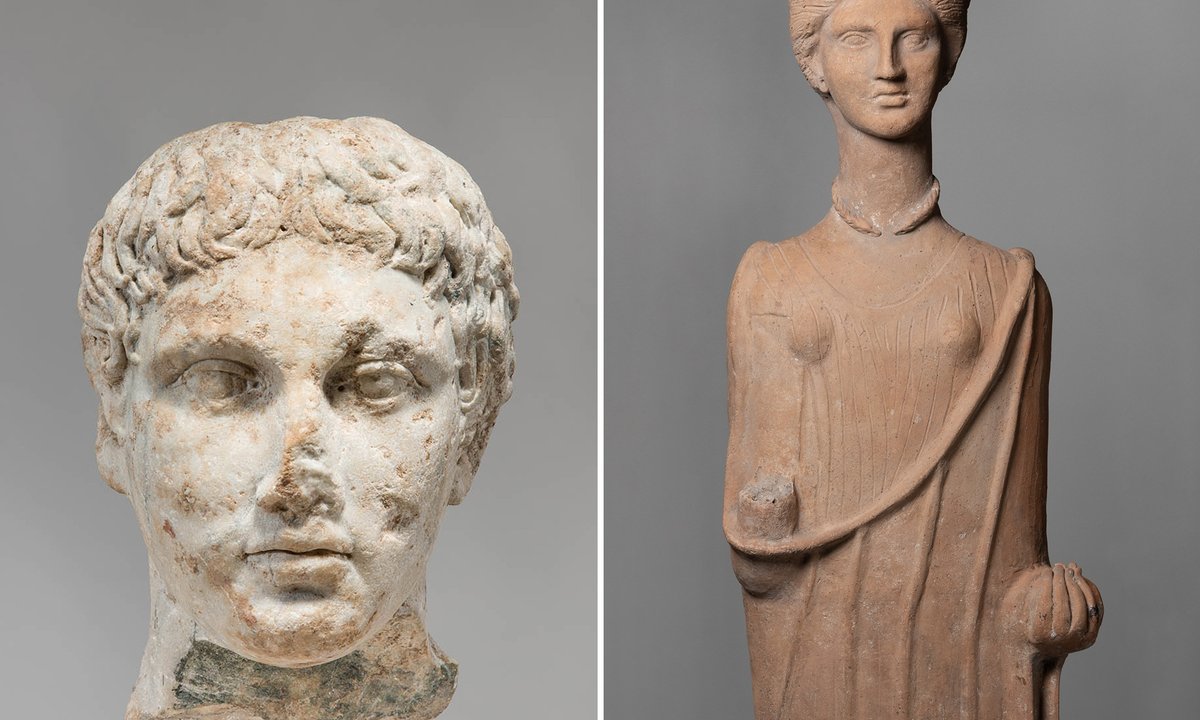
Over recent years, archaeologists have used AI in a number of ways: to reconstruct damaged or broken artefacts; to combat the illegal movement of cultural property; and to classify ancient butchery marks cut into bones. One team has even used the fast-developing technology to resurrect a long dead peasant soldier from 12th-century Italy. By feeding ChatGPT information from their excavation in Miranduolo, 180km north-west of Rome, and removing any knowledge that they expected the long-dead individual to be unaware of, the “Johannes” project now lets you chat with him, his face reconstructed from his excavated skull.
But for archaeologists, the rise of AI has had its greatest impact on the discovery of new sites. Ground surveys are expensive and often conducted in difficult conditions, so identifying sites has long been a slow process, leaving gaps in our historical knowledge and potentially significant ruins to decay.
Faced with this challenge, archaeologists started analysing aerial photographs and satellite images to find new sites. More recently, airborne Lidar—laser scanning used to create 3D topographical maps—has revealed lost cities beneath dense forest canopies and across deserts. But poring over maps is still time-consuming and tiring, and can lead to sites being missed. This is where AI can be a game-changer.
Working in the Nazca Pampa, a desert area 50km from the south coast of Peru, another archaeological team has trained AI to search aerial photographs for geoglyphs—mysterious designs in the desert created by the Nazca people around 2,000 years ago—with equally stunning results.
“Since 2006, we have been conducting distribution surveys of geoglyphs using satellite imagery, high-resolution aerial photographs and drone images,” says Masato Sakai, of Yamagata University in Japan, who leads the research team. “Through these remote sensing technologies, we were able to discover 314 new geoglyphs. However, after introducing AI in 2019, we were able to discover a similar number of geoglyphs in a much shorter period. That said, there is still room for improvement in the accuracy of AI findings.”
Speeding up the analysis process
Human expertise is still essential. When Sakai’s project first used AI, it identified more than 40,000 potential sites. Team members then manually investigated these results, whittling the number down to 1,309 locations. Over six months, the team conducted field surveys at 341 of these sites. Half turned out to be authentic geoglyphs, but while investigating, they discovered additional examples near the AI-identified sites. In the end, the team identified 303 previously unknown geoglyphs—almost as many as their earlier manual investigation had revealed, but in a fraction of the time.
“The greatest advantage of AI is its ability to significantly speed up the analysis process,” Sakai says. “Tasks that would normally take a considerable amount of time can be completed quickly and efficiently. However, AI is not infallible; depending on the nature of the data or the subject being analyzed, it may not perform optimally. This limitation represents the primary drawback of using AI in archaeology.”
The quality and quantity of the data that trained the AI must be kept in mind when evaluating outcomes, Sakai says. “It is important to avoid blindly trusting AI results and to approach them with critical judgment. As AI continues to evolve, it also raises new questions about balancing human expertise with machine analysis.”
Wernke also highlights the positives and negatives of using AI technology. “With AI we can scale up our view of the Andean past far beyond what would be possible using field-based methods,” he says. “Of course, our data will not record every archaeological site in the Andes; there are many that are too faint or too small to detect in satellite imagery. Our chronological controls are very poor also—it is very difficult to date sites from a bird’s eye view.”
Combining human expertise and AI efficiency, GeoPACHA’s next phase involved teams across the Andes using the specially developed GeoPACHA-AI web app to label which sites identified by the AI are true positives, which are false positives, and to add features that the AI has missed.
“The idea is to have the AI do the heavy lifting of initial feature detection, and leveraging human expertise to improve and refine the results,” Wernke says. “We will then use the audited data to fine-tune DeepAndesArch again and redeploy over 2 million square kilometres—essentially, the historic footprint of the Inca Empire.”
Already changing the face of archaeology, AI is sure to play an increasingly key role in future projects. “Archaeology is quite unusual for the diversity of information that we can integrate to produce rich cultural pictures and narratives of past societies,” Wernke says. “It is a data-intensive undertaking, so AI will be central to enabling richer understandings of our human past going forward.”