

When the world discusses Crimea, the conversation often begins and ends with the question: to whom does it belong? Left out of this binary is the voice of Crimea’s Indigenous people: the Crimean Tatars. As a Crimean Tatar myself, I am struck by how invisible our story remains in the international information space. Yet it is precisely our history, our identity and our survival that challenges the dominant Russian narrative and provides the clearest answer to the question of Crimea’s rightful future.
The history of the Crimean Tatars is long, complex and largely untold. We are not simply a “minority” living in Crimea—we are its original nation. The Crimean Khanate was functioning as an independent state from the 15th to the 18th century. With sophisticated diplomacy, military skill and economic trade, our khanate shaped regional politics for centuries. It is not hyperbole to say that Crimea, before 1783, was a centre of culture and power. This changed when the Russian Empire annexed Crimea, transforming the majority Tatar population into a marginalised and colonised minority within a generation.
Erasure
What followed was not assimilation, but erasure. The Russian and then Soviet authorities embarked on a systematic campaign to strip the Crimean Tatars of land, rights and cultural memory. In 1944, the Soviet Union deported nearly 200,000 of us—mostly women, children and the elderly—to Central Asia, the Urals and Siberia. Nearly half perished in exile. We were banned from returning for decades. Those who survived had to rebuild not just lives, but a collective identity denied by the very state that once called us citizens.
Our return to Crimea was anything but easy—it was the outcome of a long, sacrificial and non-violent struggle against the Soviet regime. Along the way, many Crimean Tatars paid a heavy price—enduring years of imprisonment, exile and suffering in their fight to return home.
Complicating the myth
In 2014, history repeated itself. Russia’s illegal annexation of Crimea was not just a geopolitical move—it was a continuation of its colonial project. It aimed not only to claim territory, but to erase the people who complicate its myth of Crimea as “eternally Russian”. I witnessed this with my own eyes. I saw the tanks. I saw our leaders exiled and imprisoned. I saw my Tatar friend Ervin Ibragimov disappear, never to be found again. My own home was raided by armed men. I was humiliated for being a woman, a Muslim and a Crimean Tatar. This is not ancient history. This is 2014. This is now.
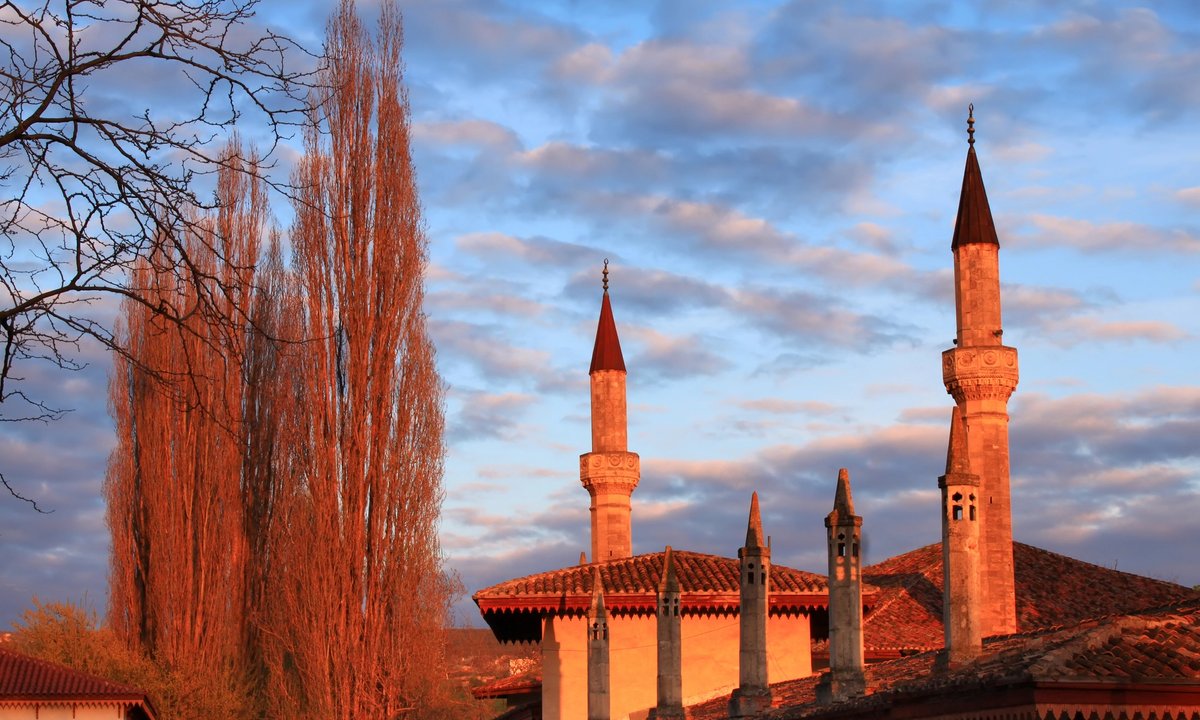
The Russian occupation has unleashed what I call “humanitarian aggression”. It does not target the body—it targets identity. Schools are “Russified”. Cemeteries and ancient Tatar settlements are bulldozed to make way for highways. Museums are looted. The Khan’s Palace in Bakhchysarai, one of the last visible symbols of our statehood, is being “restored” in a way that destroys its authenticity and meaning. Cultural erasure is not collateral damage; it is the strategy.
This is why Crimea matters far beyond Ukraine’s borders. What is happening in Crimea is not just a local injustice—it is a test case for how the world responds to genocide in the 21st century. The international legal framework is clear: the destruction of identity, culture and heritage is a violation of human rights. Yet the global reaction has been muted. Why?
In silence, lies flourish
Perhaps it is because the story of Crimea is being told without the Crimean Tatars. Our voice has been absent from negotiations, from diplomacy, from headlines. When our history is not known, the lie of Crimea as “always Russian” becomes easier to believe. And yet, every destroyed cemetery, every renamed monument, every reprogrammed school curriculum, screams the simple truth: if Crimea were truly Russian, none of this would have existed.
The world must understand that cultural heritage is not just about the past, it is a battleground for the future. When a people’s history is erased, their right to belong is erased too. This is why identity has become a weapon in today’s wars. Russia knows this. It is why it invests so heavily in disinformation, historical revisionism and cultural appropriation.
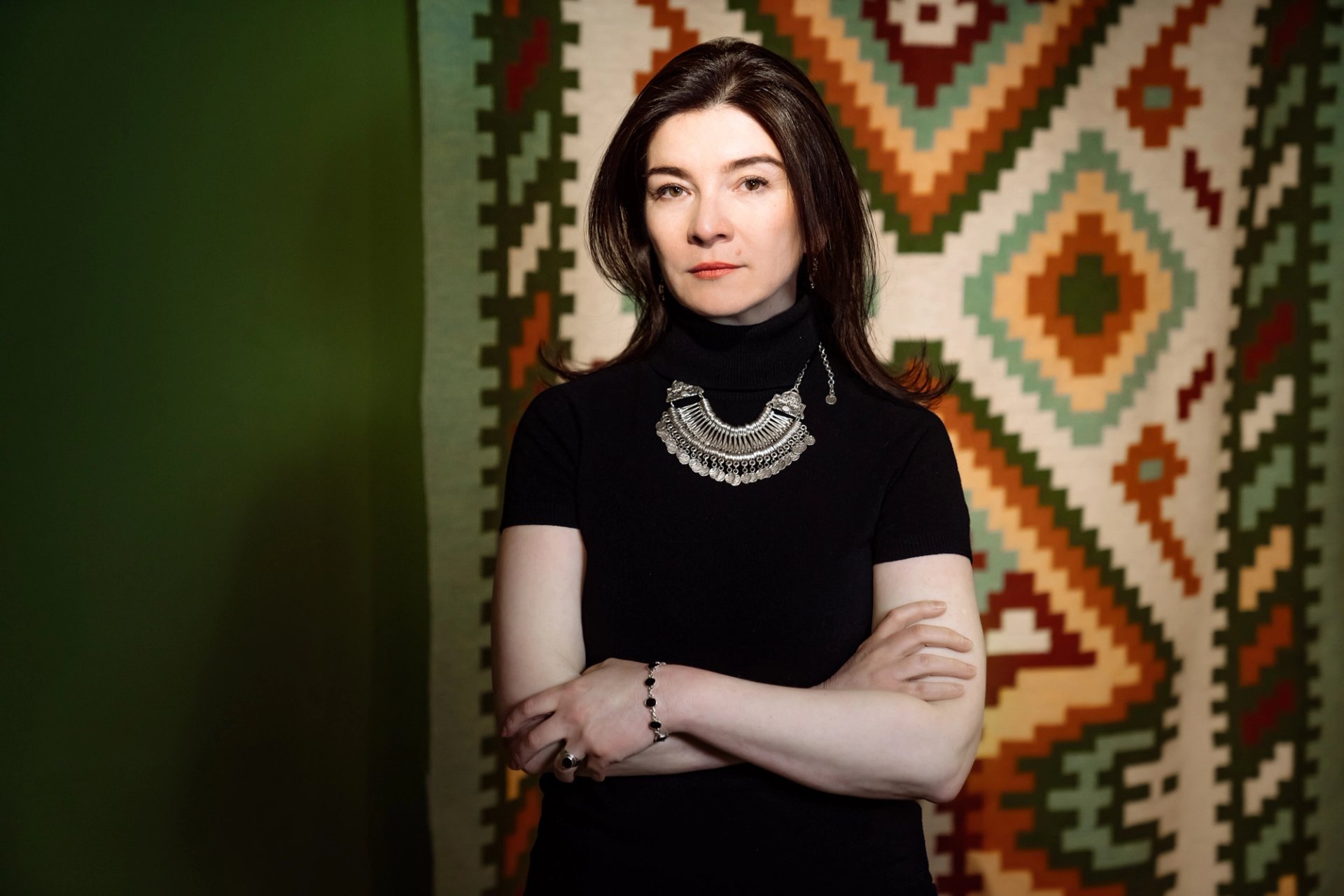
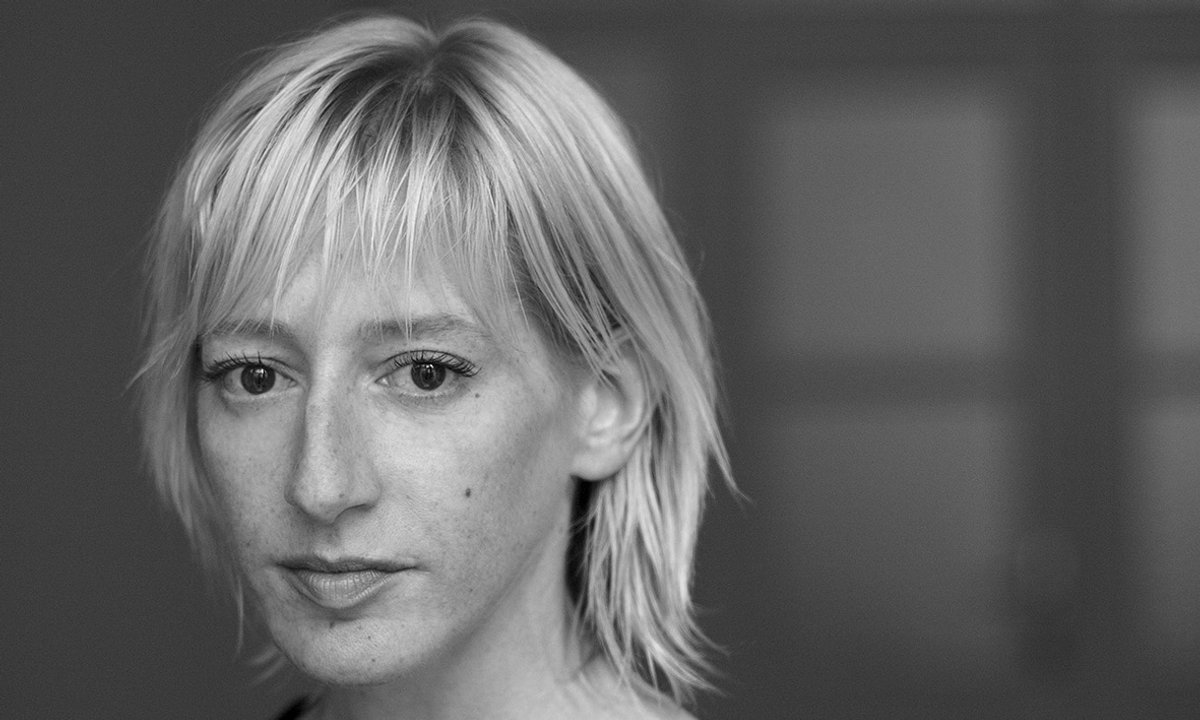
Elmira Ablyalimova-Chyihoz
Courtesy of Elmira Ablyalimova-Chyihoz
We must respond in kind—not with lies, but with truth. Not with silence, but with testimony. Recognising the 1944 deportation as a genocide is a necessary first step. Supporting Ukrainian sovereignty must include protecting the rights of Indigenous peoples like the Crimean Tatars. And any future discussion of Crimea’s status must begin with those who have lived, died and resisted the longest.
The Crimean Tatars are not a footnote in this story—we are its heart. Our resilience is not just survival. It is a declaration: we are still here. We remember. And we will return.
- Elmira Ablyalimova-Chyihoz is a project manager at the Crimean Institute for Strategic Studies and an expert in cultural studies