
• About
  • Landing Page
  • Buy JNews
Newsletter
Impact Crypto News
Advertisement
  • Home
  • DeFi News
  • EVM News
    • Avalanche Network
    • Ethereum
    • Fantom Opera Chain
    • Harmony Chain
    • Huobi Eco Chain
    • Polkadot Chain
    • Polygon Chain
  • NFT News
  • Altcoin News
  • Crypto News
    • Crypto Regulation News
    • Bitcoin
    • Blockchain
    • Crypto Exchanges
    • Crypto Mining
    • Metaverse
    • Scam News
    • Web 3.0
No Result
View All Result
  • Home
  • DeFi News
  • EVM News
    • Avalanche Network
    • Ethereum
    • Fantom Opera Chain
    • Harmony Chain
    • Huobi Eco Chain
    • Polkadot Chain
    • Polygon Chain
  • NFT News
  • Altcoin News
  • Crypto News
    • Crypto Regulation News
    • Bitcoin
    • Blockchain
    • Crypto Exchanges
    • Crypto Mining
    • Metaverse
    • Scam News
    • Web 3.0
No Result
View All Result
Impact Crypto News
No Result
View All Result
Home NFT

Amid a wave of political hostility, the Getty Center uses photography to tell stories queer resistance and love

IMPACTCRYPTO by IMPACTCRYPTO
May 30, 2025
in NFT
57 1
0
Amid a wave of political hostility, the Getty Center uses photography to tell stories queer resistance and love
189
SHARES
1.5k
VIEWS
Share on FacebookShare on Twitter


Coinciding with Pride Month in the US—and a wave of political hostility towards LGBTQ+ communities—the Getty Center has a timely new exhibition reflecting on queer identity through the history of photography, from the 19th century to the digital present.

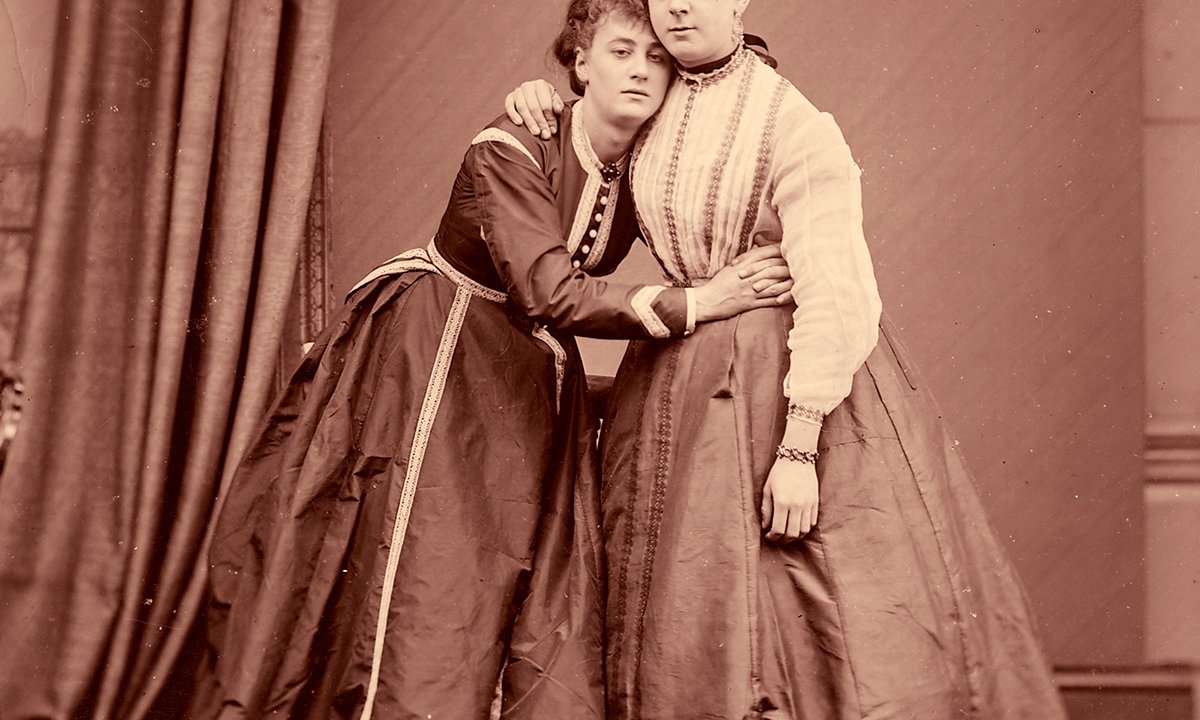
Since the medium’s inception, “photography has allowed for the gradual proliferation of homosexual and homosocial pictures”, says Paul Martineau, the curator of Queer Lens: A History of Photography. “We are very lucky because there is still a large amount of evidence,” he adds, “even though much has been destroyed,” due to government censorship and social repression.

Families would often destroy letters and photographs that showed evidence of homosexual relationships

Martineau’s six-year curatorial effort included sifting through thousands of photographs to select the final group of 300 in the show. He acknowledges the particular challenge of finding pre-1970 queer imagery, which has often been censored or lost, or never circulated in the first place. The Comstock Act of 1873 prohibited “indecent or immoral” material from being sent through the US postal system. “Families would often destroy letters and photographs that showed evidence of homosexual relationships,” Martineau says.

Limits of artistic respectability

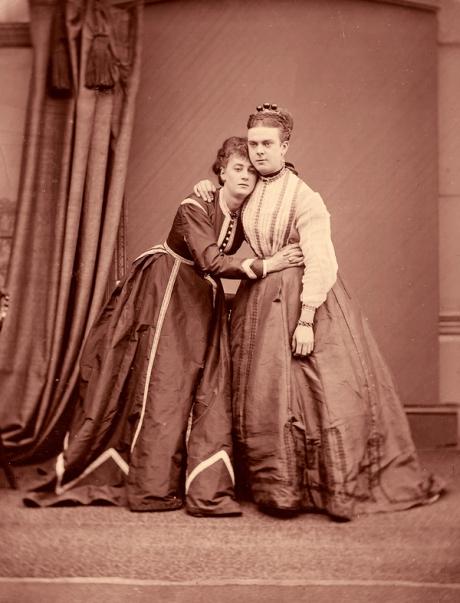
Alongside artists such as Claude Cahun—whose layered, Surrealist self-portraits and collages remain a touchstone for contemporary explorations of gender identity—the exhibition also features early photographic experiments such as the 1848 daguerreotype Two Women Embracing and the idealised male nudes of Baron Wilhelm von Gloeden, which tested the limits of artistic respectability. Many of these images were privately commissioned or circulated in coded ways, and some were preserved only through careful archival work by collectors or queer custodians.

The exhibition expands the canon by including the work of anonymous and amateur photographers. Ranging from domestic snapshots to drag portraits and holiday photographs, these vernacular images “show how queer people have used the camera not just as artists, but as documentarians of their own lives”, Martineau says. “Even when physical intimacy was not documented directly, many early photographs depict clearly loving relationships.”

Surrounded by Friends of Dorothy

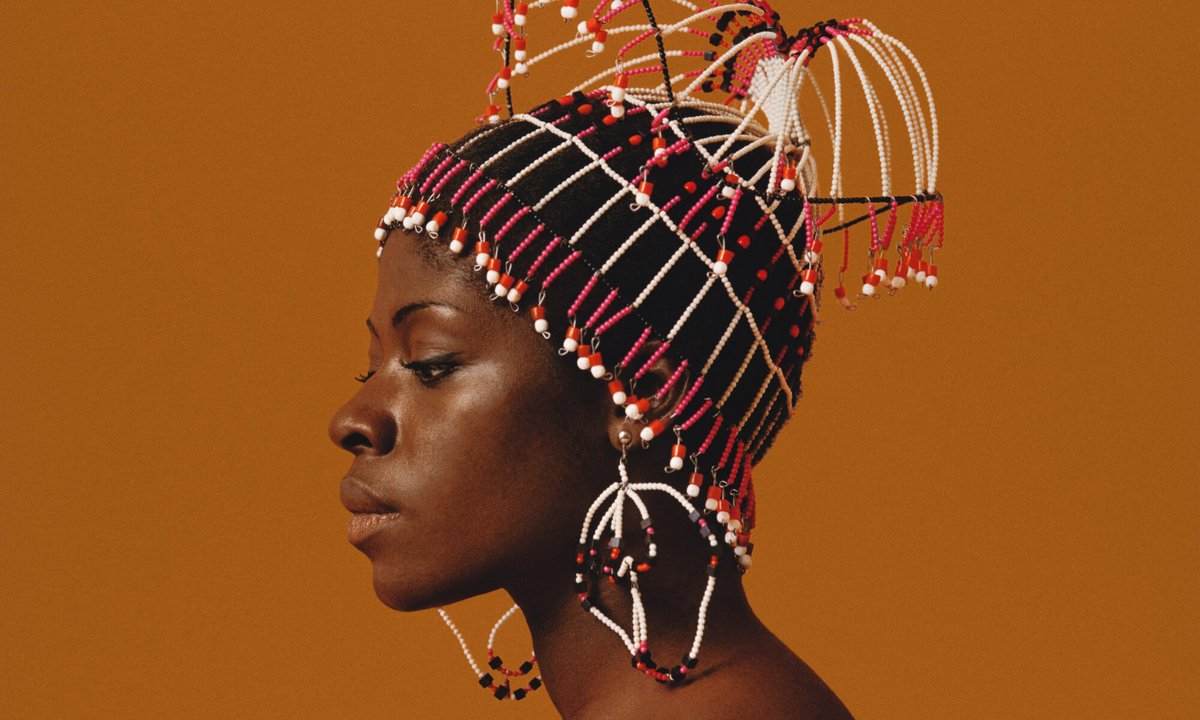
The show is structured in nine sections, each focused on a particular era and visual strategy. “Photography and the Queer Imaginary, 1901-45” explores coded aesthetics during the early 20th century, while “Seeing the Overlooked” focuses on Black queer self-portraiture from 1981 to 2020. A particularly striking space is “Friends of Dorothy: A Portrait Gallery”, a salon-style room filled with the faces of more than 100 notable LGBTQ+ figures, including Frida Kahlo by Imogen Cunningham, John Waters by Peter Hujar, Jean Cocteau by Man Ray and Langston Hughes by Gordon Parks.

“I want people to walk into that space and be surrounded,” Martineau says. “They may not know that all these people were part of the community. I think it is going to be a very powerful experience.”

Queer Lens runs alongside a companion exhibition at the Getty Research Institute, $3 Bill: Evidence of Queer Lives. It focuses on printed ephemera drawn largely from the Merrill C. Berman Collection—pamphlets, posters, letters and other fragile records of queer resistance and community-building. The Getty’s twin exhibitions serve not only as records of survival but as acts of cultural affirmation. “Without representation, there is no visibility,” Martineau says. “And with visibility, there is power.”

• Queer Lens: A History of Photography, Getty Center, Los Angeles, 17 June-20 October

• $3 Bill: Evidence of Queer Lives, Getty Center, Los Angeles, 10 June-28 September


Source link

Related articles

MoMA explores how African studio portraits offered a new vision of freedom – The Art Newspaper

MoMA explores how African studio portraits offered a new vision of freedom – The Art Newspaper

December 16, 2025
56 participating artists, duos and collectives revealed for 2026 Whitney Biennial – The Art Newspaper

56 participating artists, duos and collectives revealed for 2026 Whitney Biennial – The Art Newspaper

December 15, 2025
Tags: bitcoin newsCentercrypto analysiscrypto newsEthoz EdgeGettyhostilityLatest bitcoin newslatest crypto newsLovePhotographypoliticalqueerResistanceStoriesWave
Share76Tweet47

Related Posts

MoMA explores how African studio portraits offered a new vision of freedom – The Art Newspaper

MoMA explores how African studio portraits offered a new vision of freedom – The Art Newspaper

by IMPACTCRYPTO
December 16, 2025
0

When young men and women stepped into studio backdrops to have their photograph taken in Bamako, Kinshasa and Accra in...

56 participating artists, duos and collectives revealed for 2026 Whitney Biennial – The Art Newspaper

56 participating artists, duos and collectives revealed for 2026 Whitney Biennial – The Art Newspaper

by IMPACTCRYPTO
December 15, 2025
0

The Whitney Museum of American Art has revealed the 56 artists, duos and collectives that will participate in the 2026...

Pussy Riot branded ‘extremist organisation’ by Russian court – The Art Newspaper

Pussy Riot branded ‘extremist organisation’ by Russian court – The Art Newspaper

by IMPACTCRYPTO
December 15, 2025
0

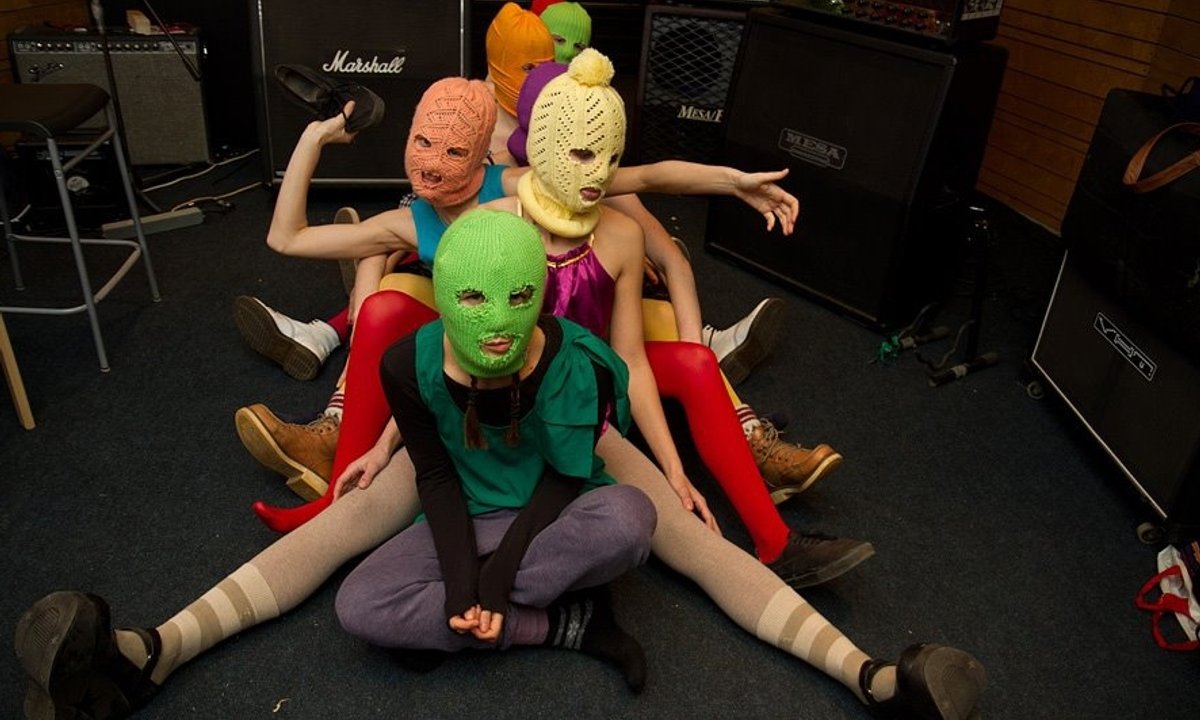
A Moscow court has today ruled the feminist punk protest collective Pussy Riot to be an “extremist organisation”. The decision...

Philadelphia’s former University of the Arts buildings become hubs for community and creativity – The Art Newspaper

Philadelphia’s former University of the Arts buildings become hubs for community and creativity – The Art Newspaper

by IMPACTCRYPTO
December 15, 2025
0

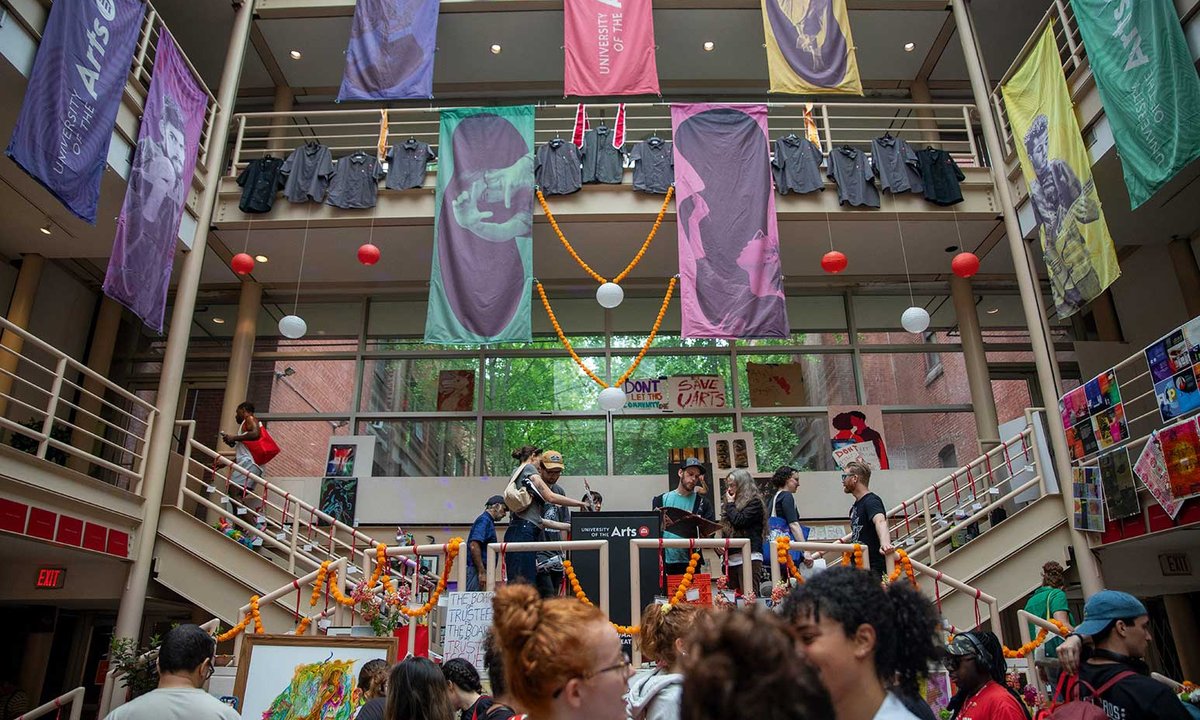
In the months that followed the abrupt closure of Philadelphia’s 150-year-old University of the Arts (UArts) in spring 2024, the...

San Antonio Museum of Art repatriates nine antiquities to Italy – The Art Newspaper

San Antonio Museum of Art repatriates nine antiquities to Italy – The Art Newspaper

by IMPACTCRYPTO
December 12, 2025
0

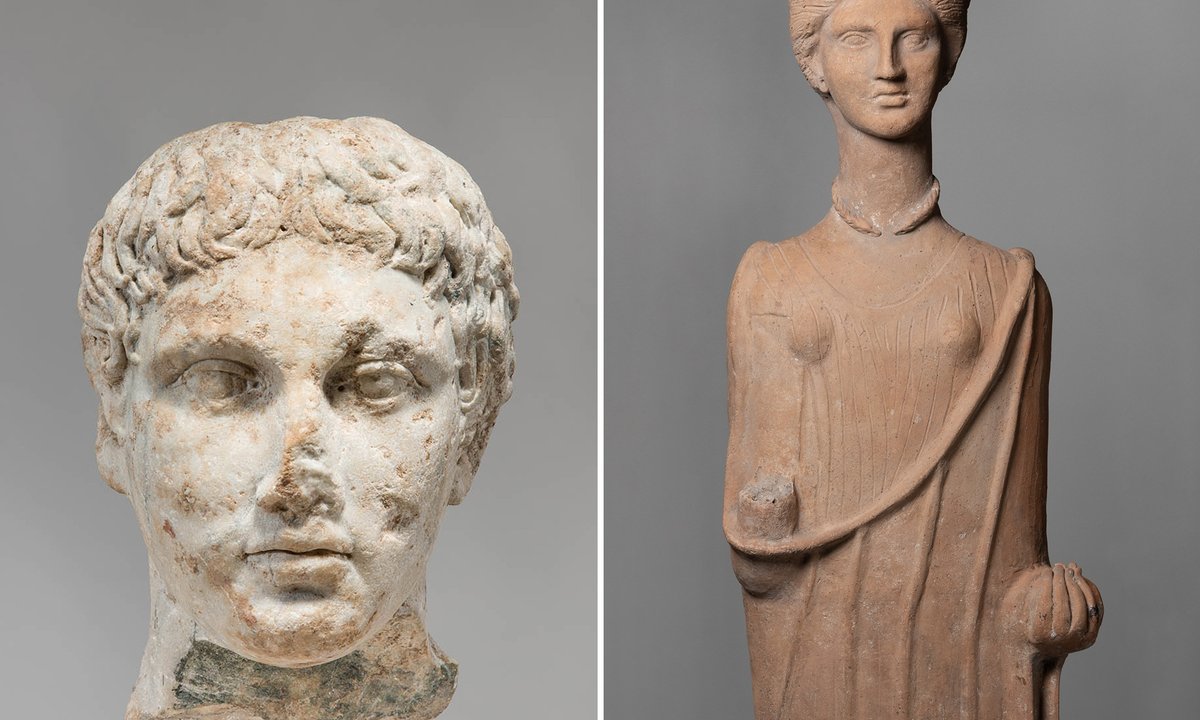
The San Antonio Museum of Art (Sama) has repatriated nine antiquities to Italy, eight of which were identified through photographs...

Load More

Welcome Back!

Login to your account below

Forgotten Password?

Retrieve your password

Please enter your username or email address to reset your password.

Log In
Please enter CoinGecko Free Api Key to get this plugin works.
No Result
View All Result
  • Home
  • DeFi News
  • EVM News
    • Avalanche Network
    • Ethereum
    • Fantom Opera Chain
    • Harmony Chain
    • Huobi Eco Chain
    • Polkadot Chain
    • Polygon Chain
  • NFT News
  • Altcoin News
  • Crypto News
    • Crypto Regulation News
    • Bitcoin
    • Blockchain
    • Crypto Exchanges
    • Crypto Mining
    • Metaverse
    • Scam News
    • Web 3.0

© 2018 JNews by Jegtheme.